How to Succeed in Beginner Affiliate Marketing Without Technical Skills
Affiliate marketing has a reputation for being a technical field. You hear about site architecture, backlink profiles, and SEO audits. It sounds like something that requires a computer science degree or at least years of experience. But the reality is different. Many successful affiliates started with no technical background. They learned by doing, and they focused on a few core skills that anyone can develop.
If you are exploring beginner affiliate marketing, the first thing to understand is that you do not need to be a developer or a designer. You need a willingness to learn, patience, and a strategy. The tools available today make it possible to build a functional website without writing a line of code. Platforms like WordPress have matured to the point where you can set up a professional-looking site in an afternoon. Page builders like Elementor let you drag and drop elements to create pages that look custom-built. You do not need to know HTML or CSS to get started.
Choosing Your First Affiliate Programs
The next step is picking the right affiliate programs. There are hundreds of networks, but a few stand out for beginners. Amazon Associates is a natural starting point because Amazon is a trusted brand and the commission structure is straightforward. You promote products, and when someone buys through your link, you earn a percentage. The Amazon name also helps with conversion because visitors already trust the checkout process.
Beyond Amazon, networks like ShareASale and CJ Affiliate offer access to thousands of merchants. ShareASale is particularly beginner-friendly because its interface is clean and the reporting is clear. CJ Affiliate has been around for years and hosts many big brands. Rakuten Advertising is another solid option. It used to be known as Linkshare, and it still has a strong roster of merchants. ClickBank is worth considering if you want to promote digital products like ebooks or online courses. The commissions on digital products tend to be higher because there are no shipping costs.
When you are new, you might be tempted to join every program you see. That is a mistake. Pick two or three networks and focus on a narrow niche. If you spread yourself too thin, you will not be able to build enough content or authority to earn consistent commissions. A focused site in a specific area will outperform a general site every time.
Building Your First Affiliate Site
Once you have chosen your programs, you need a place to send traffic. For beginner affiliate marketing, a simple WordPress site is the most practical option. WordPress powers a huge portion of the web, and it is free. You will need a hosting provider. Bluehost and SiteGround are popular choices for beginners because they offer one-click WordPress installation and solid support. Kinsta is more expensive but offers better performance if your site grows. You can start with a shared hosting plan and upgrade later.

When you set up WordPress, do not overthink the design. Choose a free theme that looks clean and loads fast. Install Yoast SEO to help with on-page optimization. Yoast SEO guides you through writing meta descriptions, focus keywords, and readability checks. It is not perfect, but it gives you a framework. You should also install Google Search Console to monitor how your site performs in search results. It shows you which queries bring visitors and how often your pages appear.
Content is the heart of an affiliate site. You need articles that help people make decisions. Product reviews, comparison posts, and "best of" lists tend to work well. The key is to write for humans first. Do not just list features. Explain why a product matters in real life. If you are promoting a kitchen gadget, describe how it changed your morning routine. If you are recommending a software tool, share a specific task it made easier. Authenticity builds trust, and trust drives clicks.
Using AI Tools to Scale Content
This is where the site system mentioned earlier comes into play. AI tools can help you produce content faster without sacrificing quality. Tools like Jasper AI and ChatGPT can generate drafts based on your outlines. You can then edit those drafts to add your own voice and experience. This approach lets you publish more articles in less time, which is important for SEO. Search engines favor sites that regularly add fresh, relevant content.
But there is a catch. AI content without human editing reads like a robot wrote it. It lacks personality and nuance. You need to review every sentence. Change phrasing that sounds unnatural. Add personal anecdotes or examples from your own research. The best workflow is to use AI as an assistant, not a replacement. Write a detailed outline, ask the AI to expand it, then rewrite the result in your own words.
For keyword research, tools like Semrush and Ahrefs are invaluable. They show you what people are searching for, how competitive a keyword is, and which sites rank for it. You do not need the most expensive plan. The entry-level tiers give you enough data to start. When you find a keyword that has decent search volume and low competition, that is your target. Write a comprehensive article around that keyword, and include your affiliate links naturally.
Optimizing for Conversions
Getting traffic is only half the battle. You need that traffic to click your links and make purchases. This is where conversion optimization comes in. One simple tactic is to place your affiliate links in the middle of helpful content rather than at the bottom. A link that feels like a natural next step gets more clicks than a link that looks like an afterthought.
Another factor is the checkout experience. If you send visitors to a merchant with a clunky checkout, they will abandon their carts. That is a reason to stick with established programs like Amazon Associates or ShareASale. Those networks handle the payment processing and customer service. Your job is just to send quality traffic. Tools like ThriveCart can help you create your own sales pages if you ever move into selling your own products, but for pure affiliate marketing, you can rely on the merchant's cart.
Email marketing is an area many beginners ignore. Building an email list lets you promote products directly to people who already trust you. You can use a simple sign-up form on your site and send a weekly newsletter with your latest reviews or a curated deal. Even a small list of a few hundred subscribers can generate consistent commissions over time.
Monitoring and Iterating
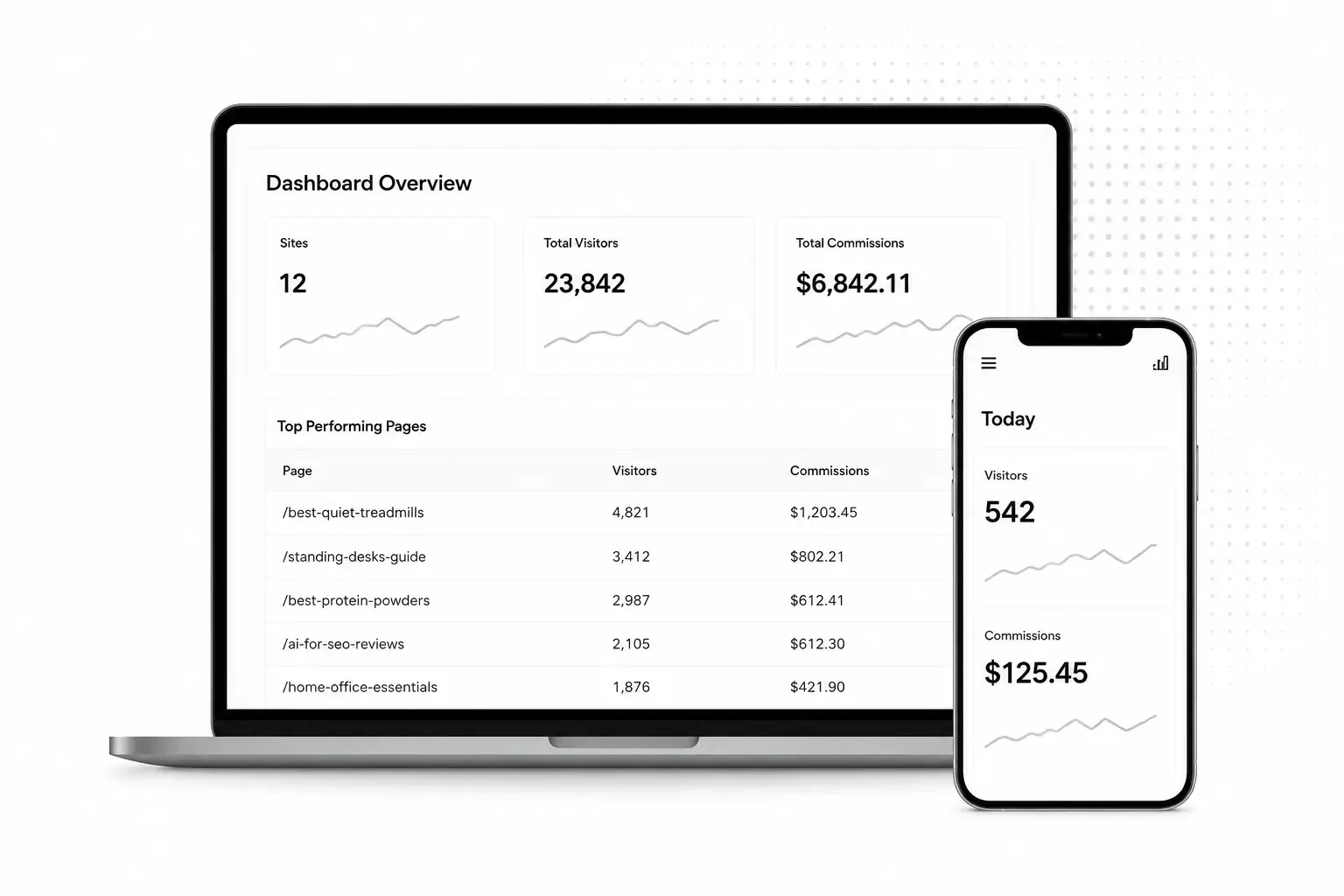
Once your site is live and you have published a few articles, you need to track what works. Google Search Console shows you which pages get impressions and clicks. If a page is getting impressions but few clicks, your title or meta description might need work. If a page gets clicks but no conversions, the content might not be persuasive enough. You can also use Semrush or Ahrefs to see which keywords your competitors rank for and identify gaps in your own content.
Do not be afraid to update old articles. Search engines prefer fresh content. You can go back to a post from six months ago, add new information, improve the formatting, and see a boost in traffic. This iterative process is the core of sustainable affiliate marketing. You are not trying to hit a home run with every post. You are building a library of useful content that earns traffic over months and years.
Common Pitfalls for Beginners
There are a few mistakes that trip up most people who try beginner affiliate marketing. The first is choosing a niche that is too broad. If you try to write about "fitness" in general, you will compete with huge sites that have been around for years. Instead, pick a sub-niche like "home gym equipment for small apartments" or "yoga gear for beginners." The narrower your focus, the easier it is to rank.
The second mistake is ignoring mobile users. A large percentage of affiliate traffic comes from phones and tablets. Make sure your site loads quickly on mobile and that your affiliate links are easy to tap. Most modern themes are responsive, but you should still test your site on an actual phone. Tools like Whimsical can help you wireframe a mobile layout before you build it, though for a simple site you can just check the preview in WordPress.

The third mistake is giving up too early. Affiliate marketing is not a get-rich-quick scheme. It takes time for search engines to trust a new site. You might not see significant traffic for three to six months. During that period, keep publishing content and improving your existing pages. Consistency matters more than perfection.
Advanced Considerations for Later
As you gain experience, you can explore more advanced strategies. Some affiliates use tools like Traffic Copilot to automate parts of their traffic management. Others build custom landing pages with Elementor or ThriveCart to optimize for specific products. You might also consider branching into paid traffic once your organic traffic is stable, but that requires separate skills and a budget for testing.
For now, focus on the fundamentals. Write helpful content, choose good affiliate programs, and track your results. The landscape of beginner affiliate marketing is wide open for people who are willing to learn and adapt. With the right approach and a bit of patience, you can build a passive income stream that grows over time.